If your child is starting dance this fall, it is completely normal to wonder what the first class will be like. You may be wondering what they should wear, whether they need dance shoes, what happens if they are shy, or whether they need previous experience.
At Academy of Dance in Brighton, MI, new dancers are welcomed into an environment where they can learn at their own pace and become comfortable with the studio experience. With classes beginning at age 2 and options continuing through adult, fall is a great time for dancers of all ages to get started.
For families in Brighton, Howell, Hartland, Milford, South Lyon, Pinckney, and throughout Livingston County, the first class can be the beginning of a fun new activity, a new friendship, or even a lifelong love of dance.
What happens when you arrive for your first dance class?
The first class usually starts before the dancing even begins.
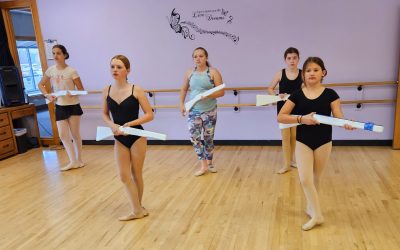
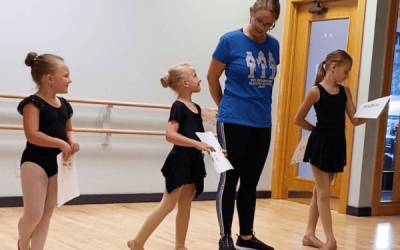
When you arrive, your dancer will have an opportunity to become familiar with the studio, find their classroom, meet their teacher, and see other students arriving.
For younger dancers especially, those first few minutes can make a big difference.
There is no need to rush straight into complicated choreography.
The goal is to help your dancer feel comfortable enough to participate.
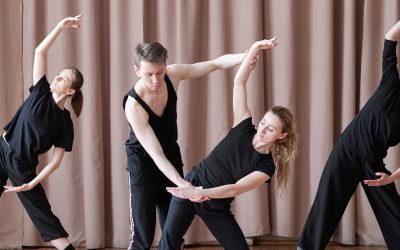
Depending on their age and class, they may begin with a warm-up before learning basic movements, combinations, or activities related to their dance style.
The class will be structured around their age and experience level.
Does my child need dance experience before starting?
No.
Your child does not need previous dance experience to begin at Academy of Dance.
This is especially important for families who may worry that their child will be behind everyone else.
Beginner classes are designed to introduce dancers to the fundamentals gradually.
Your child may learn things such as:
- How to follow a teacher’s instructions
- How to move safely in the studio
- Basic dance positions and movements
- How to move with music
- How to participate in a group
- How to remember simple combinations
- How to use their body with greater coordination and control
The first class is not a test.
It is an introduction.
What if my child is nervous or doesn’t participate?
This is one of the most common concerns parents have, especially with younger dancers.
Some children walk into a new class and immediately want to participate.
Others want to watch first.
Some may stay close to a parent or teacher before gradually joining the group.
All of these reactions can be normal.
A child who does not participate fully during the first class is not necessarily having a bad experience. They may simply need time to understand the environment and feel safe.
Once they recognize the teacher, classroom, music, and routine, participation often becomes easier.
The best thing parents can do is avoid putting pressure on the child to perform.
Instead, encourage them to try when they feel ready.
What should my child wear to their first dance class?
What your dancer wears depends on the class and age, but comfortable clothing that allows movement is generally important for a first class.
For younger dancers, clothing should allow them to move, jump, stretch, and participate comfortably.
As dancers progress, specific dress codes and dancewear may apply depending on the class.
Dance shoes can also vary by style.
For example:
- Ballet generally uses ballet slippers.
- Tap uses tap shoes.
- Jazz uses jazz shoes.
- Hip hop may use clean indoor sneakers.
- Contemporary classes may use bare feet or another appropriate option depending on the class.
If you are unsure about what your child needs before the first class, check the current Academy of Dance requirements or contact the studio before purchasing anything.
This can help you avoid buying the wrong shoes or unnecessary equipment.
You can find current information through Academy of Dance.
What happens during a beginner dance class?
The exact class structure depends on the dancer’s age and style, but most classes are designed around learning, movement, and repetition.
A beginner may experience:
Warm-up
The class begins with age-appropriate movements that help dancers prepare their bodies.
Technique
The teacher introduces basic movements and skills appropriate for the class.
Practice
Dancers repeat movements so they can become more comfortable and coordinated.
Choreography
Older or more experienced dancers may begin learning combinations that put individual movements together.
Creative movement
Especially with younger dancers, activities may incorporate imagination, music, and playful movement.
Cool-down or closing activity
The class may finish with additional movement, stretching, or a final activity.
The goal is to make the experience educational while keeping dancers engaged.
What should parents expect from a two-year-old’s first class?
Starting at age 2 can be a wonderful introduction to dance, but toddler classes look different from classes for older dancers.
A two-year-old is not expected to stand perfectly still, remember long combinations, or perform complicated choreography.
Instead, early dance classes focus on helping children become comfortable with:
- Music and rhythm
- Movement
- Balance
- Following simple directions
- Taking turns
- Being part of a group
- Exploring their creativity
A toddler might participate for a few minutes, get distracted, watch the teacher, and then join in again.
That is part of learning.
The goal is to build positive associations with dance while introducing foundational movement skills.
How can parents make the first class easier?
A little preparation can make a big difference.
Talk about the class beforehand
Tell your child what they can expect without making it sound like a test.
You can say something as simple as, “You’ll get to meet your teacher, listen to music, and learn some new dances.”
Arrive early
Give your dancer enough time to get settled instead of running into the studio at the last minute.
Keep the goodbye positive
If your child is nervous, a long goodbye can sometimes make the situation harder. Give them reassurance and confidence that they are ready.
Avoid saying “Don’t be nervous”
Instead, acknowledge their feelings.
“It’s okay to feel nervous when you’re trying something new.”
Celebrate the effort
If your child participates for five minutes, remembers one movement, or simply walks into class independently, those are wins.
Confidence grows through those small steps.
What if my child doesn’t like the first class?
Give it a little time.
The first class is not always an accurate representation of how a child will feel about dance long-term.
A new studio, unfamiliar teacher, different children, and new routines can be a lot to process.
Some children need several classes before they feel comfortable.
If your child remains unhappy after giving the experience a fair opportunity, you can also explore whether another dance style or class environment might be a better fit.
One of the advantages of having multiple dance styles available at Academy of Dance is that dancers can explore different options as their interests develop.
What can my child gain from starting dance this fall?
Dance provides much more than choreography.
Over time, dancers can develop:
Confidence
Learning something new and seeing improvement can help children believe in their abilities.
Coordination
Dance challenges children to control different parts of their bodies while moving with music.
Discipline
Regular classes teach dancers the value of practice and consistency.
Creativity
Movement gives children an opportunity to express themselves.
Social skills
Students learn to participate in groups, work with classmates, and support one another.
Focus
Following choreography and listening to instructions requires attention and concentration.
Performance skills
As dancers gain experience, they become more comfortable performing for others.
These benefits can continue developing as dancers move from beginner classes into more advanced training and performance opportunities.
What if my child wants to do more than one style?
That is completely possible.
Many dancers enjoy exploring multiple styles as they grow.
For example, a dancer might take ballet to build foundational technique while also taking jazz for performance and energy.
Another dancer might enjoy lyrical and contemporary because they love expressive movement.
Someone interested in performing might combine dance with musical theater.
Trying different styles can help dancers discover their strengths and interests.
It can also make training more varied and exciting.
Why is fall a good time to start?
Fall gives families a natural opportunity to establish a new weekly routine.
School is beginning, schedules are becoming more predictable, and many activities are starting their new seasons.
For a new dancer, that means they can begin learning alongside other students who are also getting back into the rhythm of the dance year.
For returning dancers, fall is a chance to set new goals and continue developing the skills they built previously.
At Academy of Dance, the fall season can be the starting point for an entire year of learning, friendships, performances, and new experiences.
Your dancer’s first class doesn’t have to be perfect
The first class is about trying something new.
Your child does not need to remember every step. They do not need to be the most confident dancer in the room. They do not need to walk in knowing exactly what to expect.
They simply need an opportunity to try.
For some dancers, the first class is the beginning of a new favorite activity. For others, it is the first step toward years of training, performance, competition, or simply enjoying dance as part of their life.
Academy of Dance welcomes dancers of all experience levels and offers classes for ages 2 through adult.
If your family is ready to get back into a dance routine this fall, visit Academy of Dance to explore current classes and registration information.
FAQs: Your Child’s First Fall Dance Class
What should my child expect during their first dance class?
Your child can expect to meet their teacher, become familiar with the studio, warm up, learn basic movements, and participate in activities appropriate for their age and experience level.
Does my child need previous dance experience?
No. Academy of Dance welcomes beginners, and dancers can start without previous dance training.
What should my child wear to their first dance class?
Your child should wear comfortable clothing that allows them to move freely. Specific dancewear and shoe requirements may depend on the class.
What if my child is too nervous to participate?
That is normal. Some children need time to observe and become comfortable before participating. Parents can support them by staying positive and avoiding pressure.
Can toddlers start dance classes?
Yes. Academy of Dance offers classes beginning at age 2. Toddler classes focus on age-appropriate movement, music, coordination, listening, and social development.
How can I prepare my child for their first dance class?
Talk positively about the experience, arrive early, wear comfortable clothing, and remind your child that they do not have to be perfect. The goal is simply to try something new.
What if my child doesn’t like their first dance class?
Give them time to become familiar with the environment. If they continue to feel uncomfortable, exploring a different dance style or class may help them find a better fit.