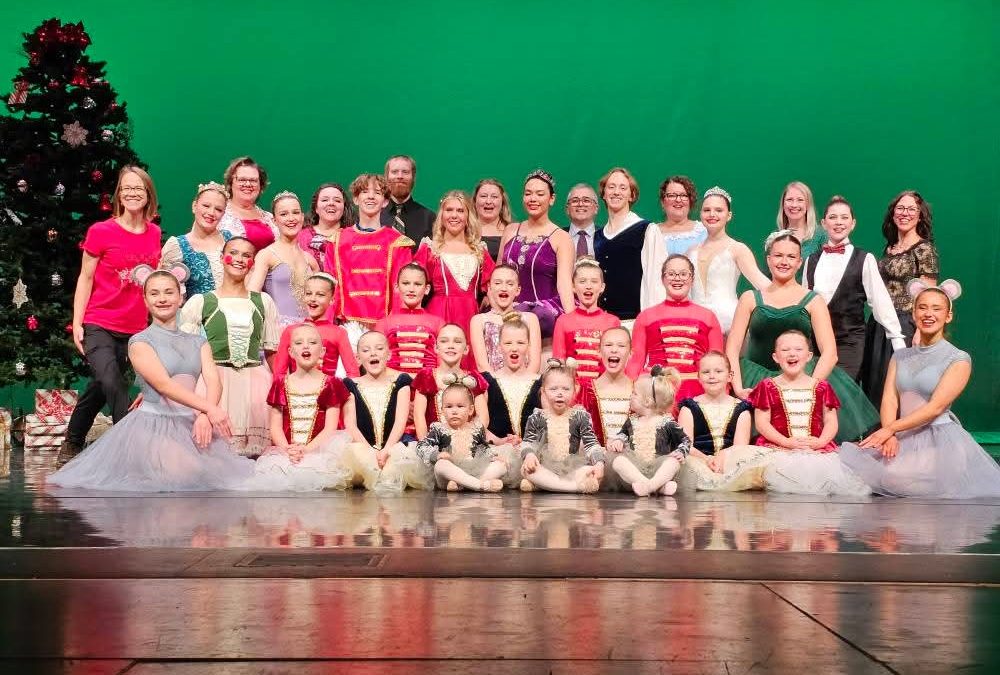
If you’re thinking about enrolling your child in dance this fall, you’re not alone. The start of a new school year is one of the most popular times for families to add a new activity to their weekly routine. Fall dance classes give children an opportunity to try something new, reconnect with friends, build confidence, and establish a positive routine they can enjoy throughout the year.
At Academy of Dance in Brighton, Michigan, fall classes welcome dancers at different ages and experience levels. Whether your child has never taken dance before or is returning for another season, starting in the fall can be an exciting way to begin a new chapter.
Families from Brighton, Howell, Hartland, South Lyon, Pinckney, and throughout Livingston County can use the beginning of the school year as a natural opportunity to find a dance class that fits their child and their schedule.
Why is fall a good time to start dance?
Fall already brings a sense of new beginnings.
Children are returning to school, getting back into routines, and reconnecting with friends. Adding a weekly dance class can fit naturally into that rhythm.
For a new dancer, starting in the fall means they can become part of a class from the beginning of the season rather than joining after everyone else has already established a routine.
For returning dancers, fall is a chance to continue building on skills they developed during the previous season.
A consistent weekly class can give children something positive to look forward to outside of school.
What are the benefits of starting dance in the fall?
Dance gives children much more than an opportunity to learn choreography.
As they attend class consistently, dancers can develop:
Confidence through learning and performing new skills
Coordination, balance, and body awareness
Focus and listening skills
Discipline through repetition and practice
Creativity and self-expression
Friendships and a sense of community
The beginning of a new dance season can be especially helpful because children have an entire year to build these skills gradually.
They do not have to master everything immediately.
Progress happens one class at a time.
What if my child has never taken dance before?
Your child does not need previous experience to start.
Beginner dancers are learning the same things everyone had to learn at some point: how to follow a teacher, move with music, remember choreography, and become comfortable in a new environment.
Some children will participate immediately.
Others may watch during their first class or need a little extra time to feel comfortable.
That is completely normal.
A supportive dance environment gives children room to become familiar with the studio and discover that trying something new can be fun.
For parents, the biggest goal during the first few classes should not be perfection. It should be helping your child feel comfortable enough to keep coming back.
How can dance fit into a busy school schedule?
Fall can be busy for families.
Between school, homework, sports, clubs, family responsibilities, and other activities, parents may worry that adding another activity will make the week more difficult.
The key is finding a class schedule that feels realistic.
A weekly dance class can become part of your child’s normal routine rather than something you have to constantly work around.
Before enrolling, look at your family’s weekly calendar and consider:
Which days are already busy?
What time does your child typically have the most energy?
How long is the drive to the studio?
Would one class per week be a good starting point?
Does your child want to explore more than one style?
Starting with a manageable schedule can make it easier for your child to enjoy dance without feeling overwhelmed.
What dance styles can children try?
One of the exciting things about starting dance is discovering which style your child enjoys most.
Ballet can help dancers develop strong foundations, posture, balance, coordination, and technique.
Jazz is energetic and expressive, making it a fun option for children who enjoy upbeat music and performance.
Tap introduces rhythm and musicality through movement and sound.
Lyrical combines dance technique with emotional expression and storytelling.
Contemporary encourages creativity, individuality, and expressive movement.
Hip hop gives dancers a high-energy environment where they can explore rhythm, personality, and confidence.
You do not necessarily have to choose the perfect style on the first try.
As children grow, their interests can change. A dancer who starts with ballet may later discover a love for jazz, lyrical, contemporary, or another style.
How does dance help children build confidence?
Starting something new requires courage.
A child has to walk into a new room, meet a teacher, learn unfamiliar movements, and participate alongside other children.
Every time they do that, they have an opportunity to become a little more confident.
Over time, you may notice small changes.
Your child may volunteer to demonstrate a movement.
They may participate without needing encouragement.
They may feel proud when they remember choreography.
They may become more comfortable performing in front of others.
Those small moments can add up to meaningful confidence.
Dance also teaches children that making mistakes does not mean they have failed. They can receive a correction, try again, and eventually get the movement.
That lesson can carry well beyond the studio.
Can dance help children make friends?
Yes.
Dance classes give children a consistent opportunity to interact with other dancers and work toward shared goals.
They learn to take turns, listen to one another, practice together, and encourage their classmates.
For some children, especially those who are shy or entering a new school year, having a regular activity can make it easier to build friendships.
Over time, the studio can become a familiar place where children recognize their classmates and feel like they belong.
That sense of community is an important part of the dance experience at Academy of Dance.
What should parents do before the first fall dance class?
A little preparation can make the first class much easier.
Check the class time and location ahead of time so you are not rushing.
Make sure your child has comfortable clothing and the appropriate dancewear or shoes for their class.
Talk about the class positively without making it feel like a big performance.
You can tell your child that it is okay if they do not know the steps yet.
They are there to learn.
If your child is nervous, remind them that many dancers feel the same way before starting something new.
And most importantly, give them time.
Some children become comfortable immediately. Others need a few classes before they really settle in.
Is fall dance only for young children?
No.
Dance can be part of a child’s life at many different ages and experience levels.
Young dancers can enjoy introductory movement and age-appropriate classes.
Older children and teens can continue developing technique, explore different styles, and participate in performance opportunities.
Dance can also remain an activity for adults who want to learn, stay active, or return to something they enjoyed earlier in life.
The important thing is finding the right class and level for the dancer.
Why choose Academy of Dance for fall classes in Brighton?
Choosing a dance studio is about more than finding a class time.
Families want a place where their children feel welcomed, supported, and encouraged to grow.
Academy of Dance in Brighton provides opportunities for dancers to learn different styles, develop their skills, build confidence, and become part of a studio community.
For families in Brighton and surrounding communities including Howell, Hartland, South Lyon, Pinckney, and Livingston County, the fall season can be the perfect time to become part of that community.
Whether your child is taking their very first dance class or returning for another year, the goal is the same: give them an environment where they can learn, move, grow, and enjoy the experience.
FAQs: Starting Fall Dance Classes in Brighton, MI
Why is fall a good time to start dance classes?
Fall is a natural time to start dance because children are already returning to regular school routines. Starting at the beginning of a dance season can also help new dancers become comfortable with their class from the start.
Does my child need previous dance experience?
No. Beginner dance classes are designed to teach children the fundamentals step by step. Previous experience is not required.
What dance styles can my child try?
Depending on age and class availability, children can explore styles such as ballet, tap, jazz, lyrical, contemporary, and hip hop.
Can dance fit into a busy school schedule?
Yes. Choosing a class schedule that works realistically with your family’s existing commitments can make dance an enjoyable and manageable part of the week.
What if my child is nervous about starting dance?
Feeling nervous is normal. Some children participate immediately, while others need time to observe and become familiar with the studio. A supportive environment can help children build confidence gradually.
How does dance help children outside of the studio?
Dance can help children develop confidence, coordination, focus, discipline, creativity, self-expression, and teamwork. These skills can support them at school and in other activities.
Ready to start the fall dance season?
A new school year can be the perfect time for your child to try something new.
If you’re looking for fall dance classes in Brighton, MI, explore the programs at Academy of Dance and find an opportunity that fits your child’s age, interests, and experience level.
Academy of Dance: academyofdancemi.com