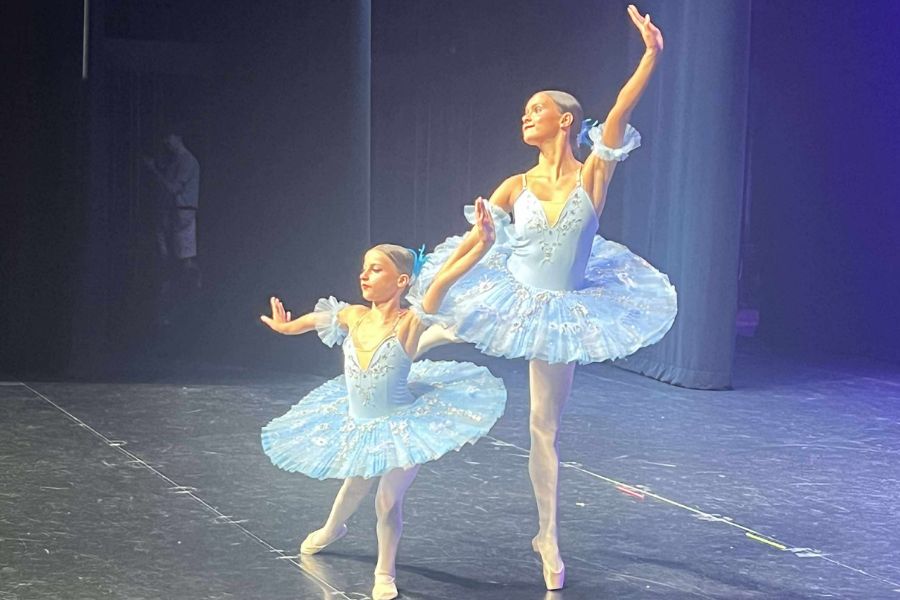
Pointe work is an exciting milestone for many ballet dancers, but it isn’t based on age alone. At Academy of Dance in Brighton, Michigan, dancers are evaluated for pointe readiness based on strength, technique, alignment, consistency, and instructor recommendations. Families from Brighton, Howell, Hartland, South Lyon, Pinckney, and throughout Livingston County can learn what instructors look for during pointe evaluations, how dancers prepare, and why proper training is essential before beginning pointe.
What is a pointe evaluation?
A pointe evaluation helps determine whether a ballet dancer has developed the strength and technique needed to begin dancing safely in pointe shoes.
Rather than being a competitive audition, a pointe evaluation focuses on a dancer’s physical readiness and technical development. Every dancer progresses at their own pace, and instructors carefully assess whether beginning pointe is the right next step.
During an evaluation, instructors may observe:
- Ballet technique
- Foot and ankle strength
- Core stability
- Balance and control
- Alignment
- Turnout
- Consistency in class
The goal is to help dancers begin pointe only when their bodies are prepared to support this important stage of ballet training.
How do instructors know when a dancer is ready for pointe?
Beginning pointe requires much more than enthusiasm. Dancers need a strong technical foundation to safely support their body weight while dancing on the tips of their toes.
Instructors typically look for several important qualities before recommending pointe training.
Strong ballet technique
Years of consistent ballet training help dancers develop proper placement, posture, and movement quality before advancing to pointe work.
Foot and ankle strength
Strong feet and ankles help dancers maintain balance and reduce the risk of injury while performing pointe exercises.
Core stability
A strong core supports proper alignment and allows dancers to move with control throughout every exercise.
Consistent class attendance
Progress happens through regular training. Dancers who consistently attend ballet classes often build the strength and technique needed for pointe more effectively.
Each dancer develops differently, so evaluations are based on individual readiness rather than comparing dancers to one another.
Why is waiting until you’re ready so important?
Many dancers are excited to begin pointe, but starting too early can increase the risk of injury and make proper technique more difficult to develop.
Waiting until a dancer is physically prepared allows them to enjoy pointe with greater confidence and success.
Beginning pointe at the right time helps dancers:
- Build proper technique from the start
- Develop stronger balance
- Improve overall ballet skills
- Reduce unnecessary stress on growing feet
- Feel more confident during class
At Academy of Dance, instructors prioritize long-term development and safe progression so dancers can continue enjoying ballet for years to come.
How can dancers prepare for a pointe evaluation?
Preparing for pointe begins long before evaluation day.
Dancers who consistently practice strong ballet fundamentals often develop the strength needed over time.
Helpful preparation includes:
- Attending ballet classes regularly
- Practicing proper technique every class
- Building foot and ankle strength
- Improving core stability
- Listening carefully to instructor corrections
- Maintaining good posture and alignment
Rather than rushing toward pointe shoes, dancers should focus on becoming strong ballet students first. Pointe becomes a natural next step when the proper foundation is in place.
What happens after a dancer is approved for pointe?
Once a dancer is approved for pointe, the learning process is just beginning.
New pointe students are gradually introduced to exercises that help them build strength, confidence, and proper technique while adapting to their new shoes.
Early pointe training often focuses on:
- Proper shoe fitting
- Barre exercises
- Balance
- Foot articulation
- Alignment
- Controlled movement
As dancers gain experience, they gradually progress to more advanced exercises under instructor supervision.
Families should follow the studio’s recommendations regarding shoe fittings, required supplies, and class placement before purchasing pointe shoes.
Where can families find pointe evaluation information?
Pointe evaluations are scheduled by Academy of Dance based on the studio calendar and instructor recommendations.
Because evaluation dates, eligibility requirements, and preparation guidelines may change from year to year, families should regularly check the Academy of Dance website for current information.
The website provides updates about:
- Pointe evaluation announcements
- Ballet program information
- Studio schedules
- Registration details
- Important seasonal updates
Checking the website regularly helps families stay informed throughout the dance season.
FAQs About Pointe Evaluations in Brighton, MI
What is a pointe evaluation?
A pointe evaluation determines whether a ballet dancer has developed the strength, technique, and alignment needed to begin pointe training safely.
How do instructors decide if a dancer is ready for pointe?
Instructors evaluate technique, strength, balance, alignment, class consistency, and overall ballet development before recommending pointe.
Does age determine when a dancer starts pointe?
No. Readiness is based on physical development and technical ability rather than age alone.
Should I buy pointe shoes before the evaluation?
No. Families should wait until instructors approve pointe training and provide recommendations before purchasing pointe shoes.
Where can I find information about upcoming pointe evaluations?
Current evaluation information, schedules, and studio announcements are available on the Academy of Dance website at https://academyofdancemi.com.