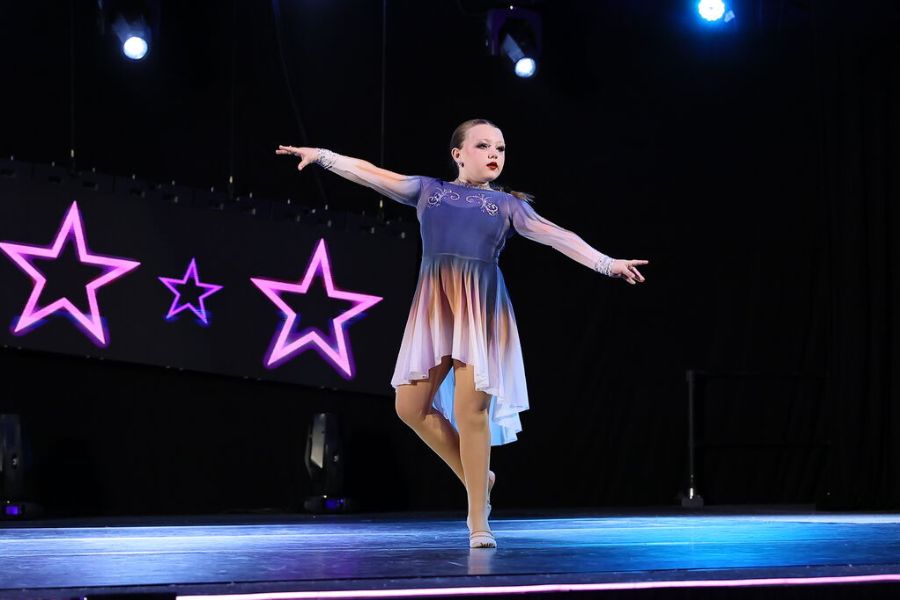
Dance builds confidence in kids by helping them grow through small, consistent wins in a supportive environment. In Brighton, MI and surrounding areas like Howell, Hartland, South Lyon, Pinckney, and Livingston County, many children begin dance feeling shy or unsure, then gradually develop stronger confidence, communication skills, and self-belief through weekly classes.
What confidence changes do parents notice first in new dancers?
One of the earliest signs of confidence growth in dance is how a child enters and participates in class.
At first, many children may:
- Stay close to the wall or watch others
- Hesitate before joining in
- Wait for direction before trying movements
As they become more comfortable, parents often notice subtle but important changes:
- Joining class more quickly
- Smiling more often during movement
- Trying steps without waiting for others
- Showing pride when they remember choreography
Over time, these changes extend beyond the studio into posture, communication, and willingness to try new things.
How does dance help shy kids build confidence?
Dance is especially powerful for shy children because it creates a structured, supportive space to practice confidence in small steps.
Shy dancers are not expected to perform perfectly. Instead, they are encouraged to participate at their own pace.
A safe space to try without pressure
In dance class, children are allowed to be beginners. They learn that progress matters more than perfection, which helps reduce fear of mistakes.
Confidence grows through routine
Familiar structure helps children feel secure. As they recognize class patterns and expectations, they become more relaxed and willing to participate.
Movement becomes a form of expression
Some children express themselves more easily through movement than words. Dance gives them a way to communicate emotion, energy, and personality in a positive environment.
These experiences help children build confidence naturally over time.
What are the biggest ways dance builds confidence in kids?
Here are seven key ways dance helps children grow in confidence, both inside and outside the studio.
1) Dance builds confidence through small wins
Children grow through manageable steps such as:
- Learning a new movement
- Remembering choreography
- Trying without hesitation
- Performing in class
Each small success builds the belief: “I can do this.”
2) Dance improves coordination and body awareness
As children learn control over movement, they begin to feel more capable and confident in their physical abilities.
3) Dance encourages creativity and self-expression
Children explore music, movement, and emotion, which helps them feel comfortable expressing themselves in new ways.
4) Dance teaches discipline in a positive way
Dancers learn focus, listening skills, repetition, and persistence without pressure or negativity.
5) Dance helps children feel comfortable being seen
Performing and participating in class helps children gradually become more comfortable being in front of others, which supports confidence in school and social settings.
6) Dance builds community and belonging
Children form friendships, learn teamwork, and feel part of a group working toward shared goals.
Families across Brighton, Howell, Hartland, South Lyon, and Pinckney often value this sense of connection as much as the dancing itself.
7) Dance teaches resilience through mistakes
Children learn that mistakes are part of learning. They practice trying again, improving over time, and staying encouraged through challenges.
This mindset becomes one of the most important long-term confidence skills.
How do dance teachers support confidence without pressure?
The most effective dance environments focus on encouragement, not perfection.
At Academy of Dance, instructors support growth by emphasizing:
- Effort over perfection
- Progress over comparison
- Step-by-step learning
- Positive reinforcement
Children are guided gently, given time to learn, and encouraged to keep trying without fear of making mistakes.
When dancers feel safe, they are more willing to participate. When they participate, they improve. That cycle naturally builds confidence.
What are real examples of confidence growth in dance?
One of the most common patterns in beginner dancers is a gradual shift from hesitation to participation.
Many children begin by observing quietly. Over time, they start:
- Joining movements earlier
- Smiling while dancing
- Trying combinations without hesitation
- Expressing personality through movement
Eventually, many become confident enough to perform proudly and engage fully in class.
These moments reflect more than dance progress. They reflect personal growth in confidence and self-belief.
FAQs about how dance builds confidence in kids
How does dance build confidence in kids?
Dance builds confidence through repetition, small achievements, and a supportive environment where children learn step by step.
Is dance good for shy children?
Yes. Dance helps shy children feel more comfortable through structure, routine, and self-expression.
How long does it take for kids to gain confidence in dance?
Many children begin to feel more comfortable after just a few classes, with confidence increasing steadily over time.
What if my child doesn’t participate right away?
That is normal. Many children observe first and join in once they feel comfortable and familiar with the environment.
Does dance help outside of class too?
Yes. Dance supports confidence, coordination, discipline, and communication skills that carry into school and everyday life.
Ready to help your dancer grow in confidence?
Join a free trial class or contact Academy of Dance in Brighton, MI to find a class that helps your child feel confident, supported, and excited to learn.