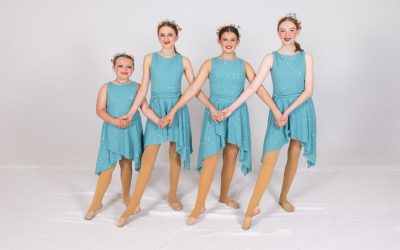
Dance classes for busy families in Brighton, MI are designed to fit real-life schedules that already include school, sports, and family commitments. Most families in Brighton, Howell, Hartland, South Lyon, Pinckney, and across Livingston County start with just one class per week, which is enough for dancers to build confidence, consistency, and steady progress without overwhelming the family calendar.
How do you choose a dance schedule when your family is busy?
The best dance schedule for busy families is one that feels realistic and easy to maintain every week, not one that looks perfect on paper.
Most families start by choosing one consistent class per week. This gives dancers time to learn the structure of class, build comfort, and develop confidence without adding pressure to an already full schedule.
Once that routine becomes familiar, some families choose to add additional classes based on interest, energy level, and availability.
Consistency is more important than volume. Dancers often make stronger progress when they attend regularly rather than trying to do too much at once.
What makes dance work well for multi-activity families?
Families in Brighton and surrounding areas like Howell, Hartland, and South Lyon often balance multiple activities like sports, school events, and family commitments.
Dance works well in these schedules because it:
- Has consistent weekly class times
- Allows flexible participation levels
- Builds progress even with limited weekly commitment
- Fits alongside other activities without requiring full-time focus
Most families find that choosing a predictable day each week makes dance easier to manage and more sustainable long-term.
Can dancers still progress with only one class per week?
Yes. One class per week is often enough for beginners to make steady and meaningful progress.
Even with a lighter schedule, dancers can still build:
- Confidence through repetition and routine
- Coordination and body awareness
- Listening and focus skills
- Strength and movement control
- A sense of achievement over time
Progress in dance is based on consistency over time, not intensity in a single week. Many dancers grow steadily while balancing school, sports, and other commitments.
How does dance support kids in busy households?
Dance can be especially valuable for children who are already involved in multiple activities because it provides structure, creativity, and personal growth in one space.
Confidence and self-expression
Dancers often begin shy or unsure, then grow more expressive as they become familiar with movement and routine.
Coordination and physical awareness
Dance supports balance, strength, and motor skills, which can also benefit sports and everyday movement.
Focus and discipline
Students learn how to listen, follow instructions, and improve through repetition and practice.
Community and belonging
Dance creates a consistent environment where children feel supported and part of a group.
Across Livingston County communities, families often describe dance as a grounding activity that adds structure and positivity to busy weekly routines.
What role do performance opportunities play in flexible schedules?
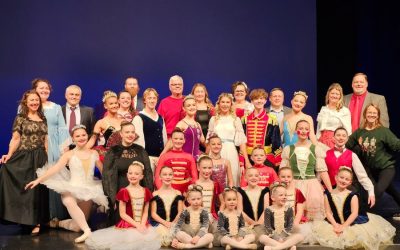
Performance opportunities can still be part of dance even when families choose a flexible or limited weekly schedule.
Many dancers participate in performances while attending just one class per week, depending on their interest and availability.
Performances support:
- Confidence being on stage
- Teamwork and shared goals
- Focus and commitment over time
- A sense of accomplishment and celebration
However, participation is often flexible, allowing families to decide what level of involvement works best for their schedule.
This flexibility is one reason dance classes for busy families are a strong fit for modern households balancing multiple priorities.
Why even one dance class per week makes a difference
Even a single weekly class can create meaningful growth for dancers over time.
Confidence building
Students begin to feel more comfortable trying new movements and participating actively in class.
Physical development
Dance supports strength, coordination, flexibility, and posture in a consistent and healthy way.
Mental focus
Following structured routines helps improve listening skills and attention span.
Social connection
Dance provides a consistent group environment where children can connect with peers and feel part of a community.
For many families in Livingston County, this balance of flexibility and consistency is what makes dance a long-term activity rather than a short-term commitment.
FAQs about dance classes for busy families
How many dance classes per week does my child need?
Most beginners start with one class per week. Additional classes can be added over time if desired.
Can my child do dance and sports at the same time?
Yes. Many students successfully balance dance with sports and other activities.
What happens if we miss a class?
Missing a class occasionally is normal. Progress comes from long-term consistency, not perfection every week.
Is one class per week enough for progress?
Yes. Even one class per week can build confidence, coordination, and foundational dance skills.
Can dancers participate in performances with a flexible schedule?
Yes. Many dancers with lighter schedules still participate in performances when they choose to.
Ready to explore the best fit for your dancer?
Join a free trial class or contact Academy of Dance in Brighton, MI to help your family choose the dance path that feels right.